
Why is Healey making the Sagamore Bridge construction more expensive?
A project labor agreement requirement could add approximately $293 million to the $1.6 billion Sagamore Bridge replacement by limiting competition among qualified contractors.
Op-Ed Why is Healey making the Sagamore Bridge construction more expensive? → Op-Ed Massachusetts can't afford to skip natural gas pipeline upgrade → Study Locked In: The Economic and Fiscal Effects of Vermont's Proposal 3 → Study Project Labor Agreements: Higher Costs and Less Competition for Massachusetts Public Construction → Study Project Beacon: Estimated Savings for Massachusetts Ratepayers →
The Fiscal Alliance Foundation uses research, polling, and legal action to give New England lawmakers, journalists, and taxpayers the independent facts they need — so the gap between what voters are told and what is actually happening closes.
A project labor agreement requirement could add approximately $293 million to the $1.6 billion Sagamore Bridge replacement by limiting competition among qualified contractors.

Expanding existing natural gas infrastructure could add roughly 300 million cubic feet of daily capacity and save families and businesses an average of $367 million per winter.
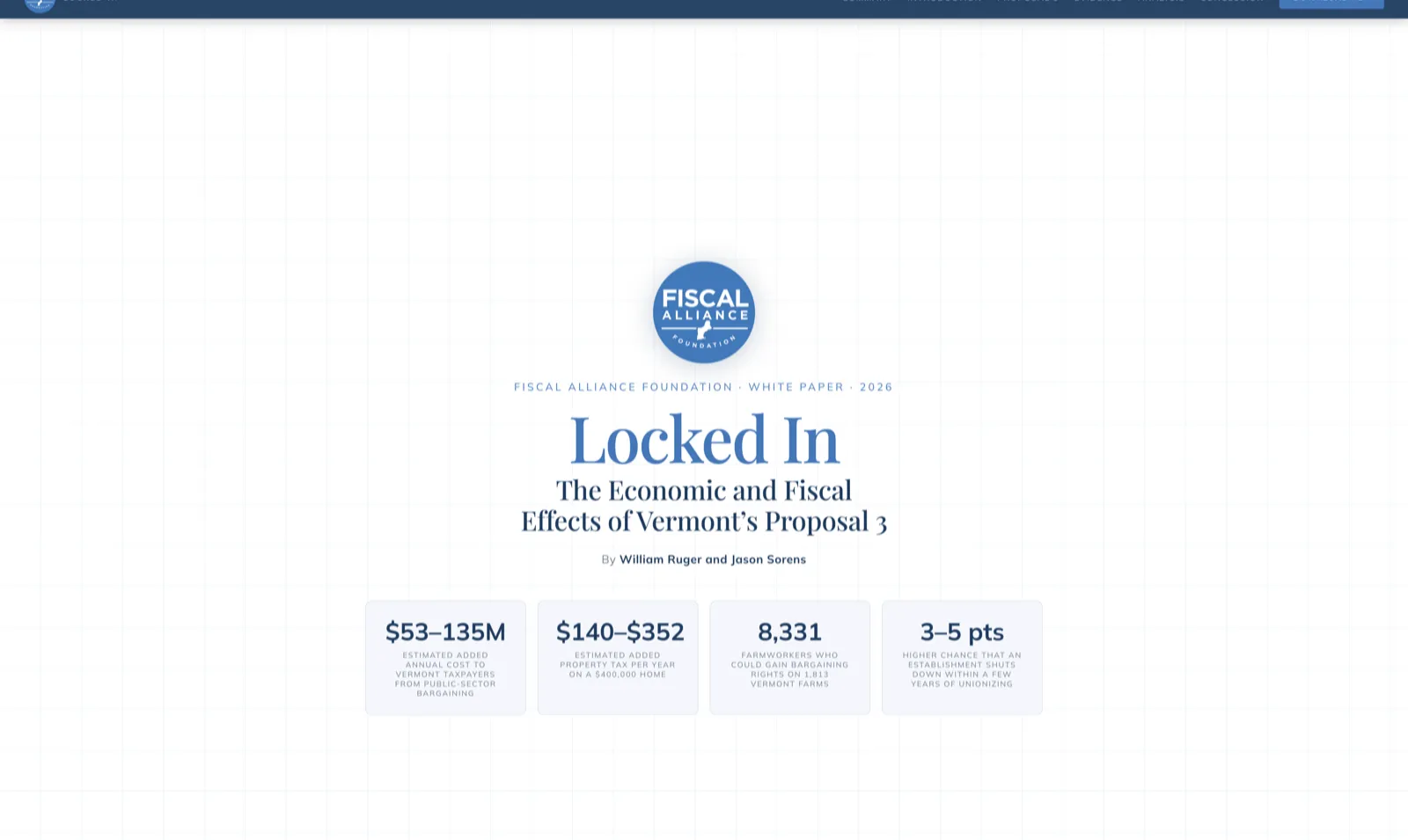
Moving collective-bargaining protections into the state Constitution could add an estimated $53–135 million in annual public-sector costs and $140–$352 in property taxes on a $400,000 home.
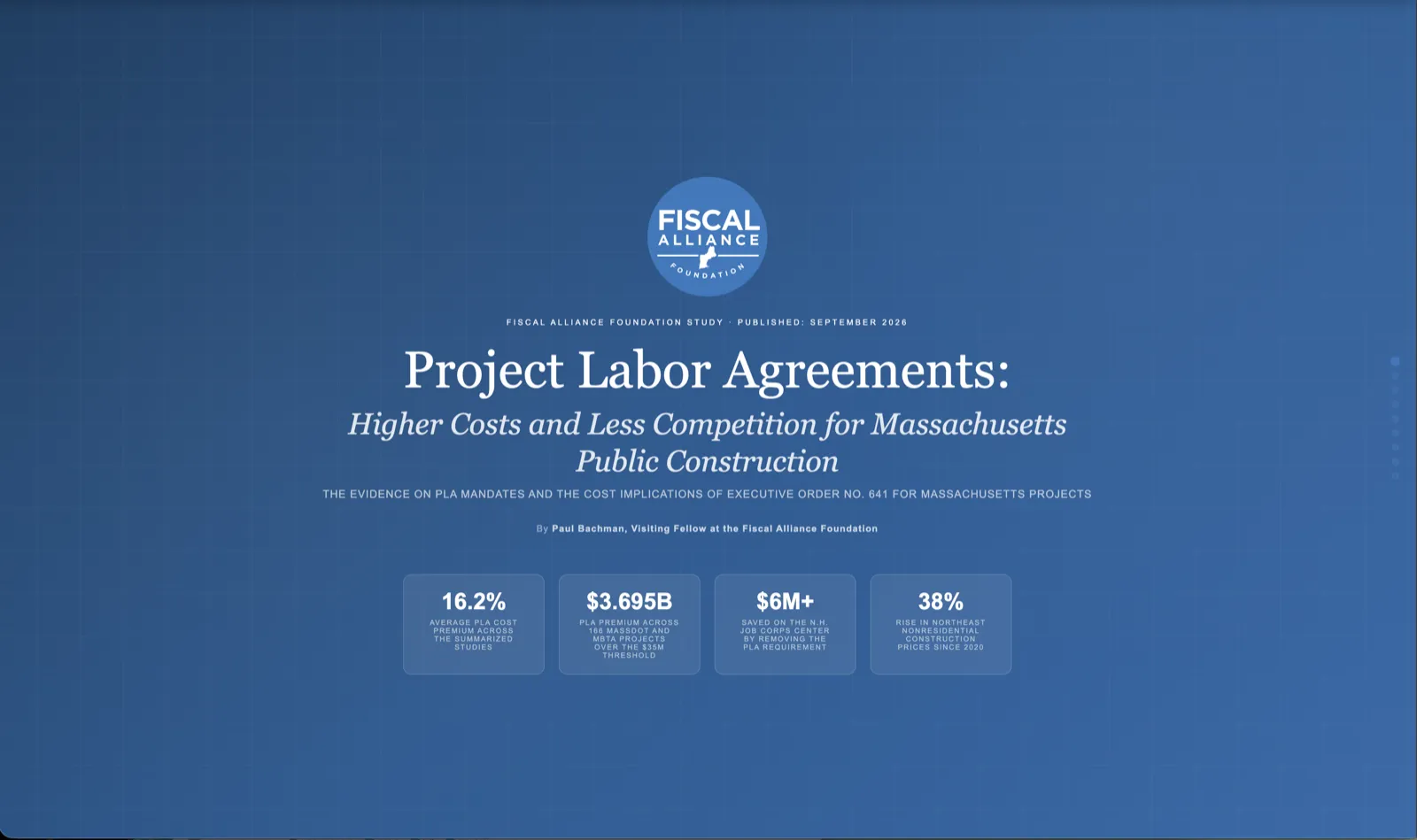
PLAs raise Massachusetts public construction costs — an average 16.2% cost premium, adding an estimated $3.695 billion across 166 MassDOT and MBTA projects.

An Enbridge-led expansion of the Algonquin pipeline could save Massachusetts ratepayers an estimated $230 million per winter — roughly $95 for a typical gas-heated household.
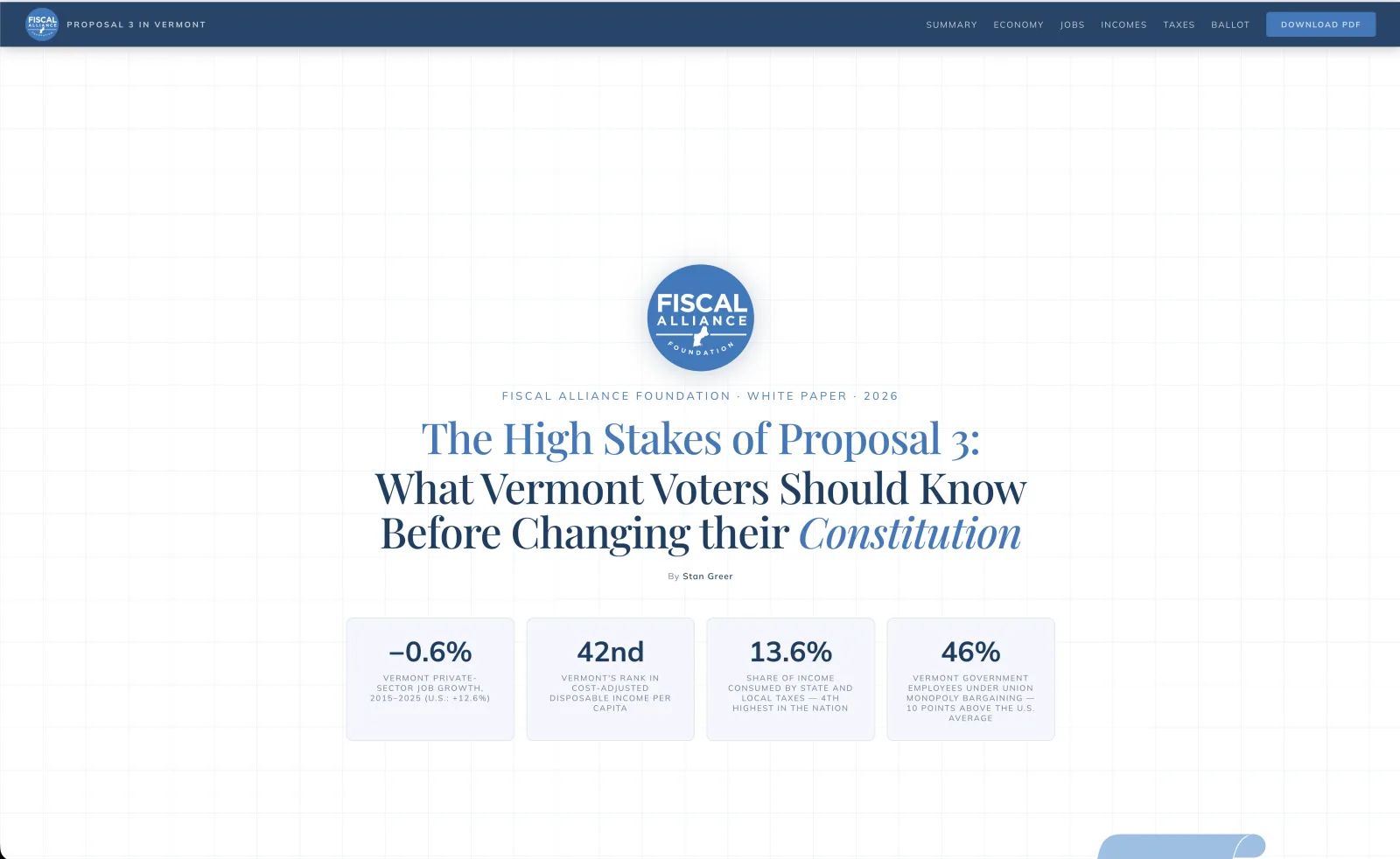
What Vermont voters are not being told about Proposal 3 — the November ballot measure that would constitutionalize compulsory unionism and foreclose Right to Work.
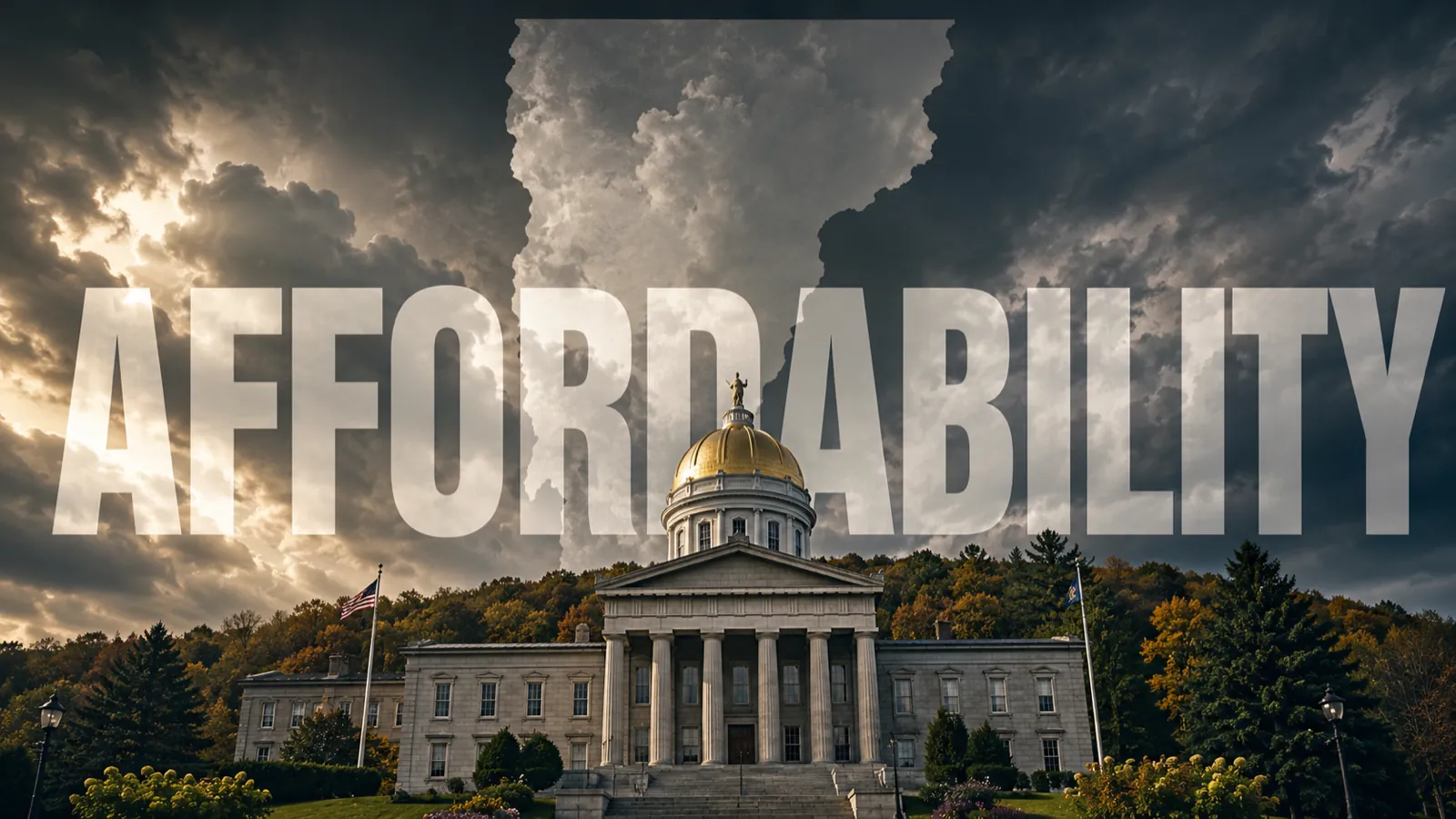
A statewide poll of 600 Vermont voters finds 61% say their income is not keeping pace with housing and taxes — and support for Proposal 3 collapses once tax impacts are raised.
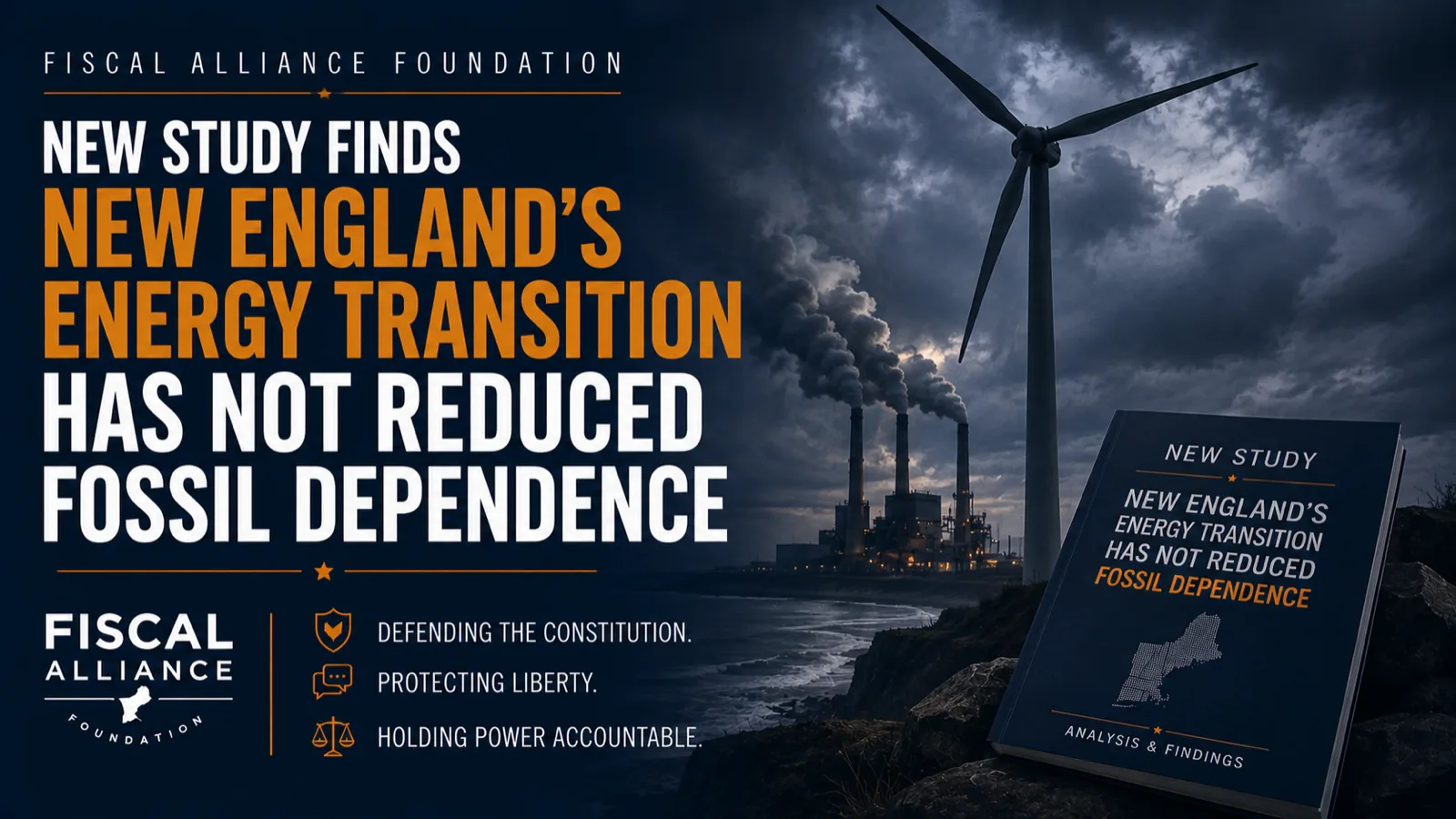
Fossil fuels supplied 55.4% of New England’s internal generation in 2025 — against 54.6% in 2000, after 25 years of energy transition policy.
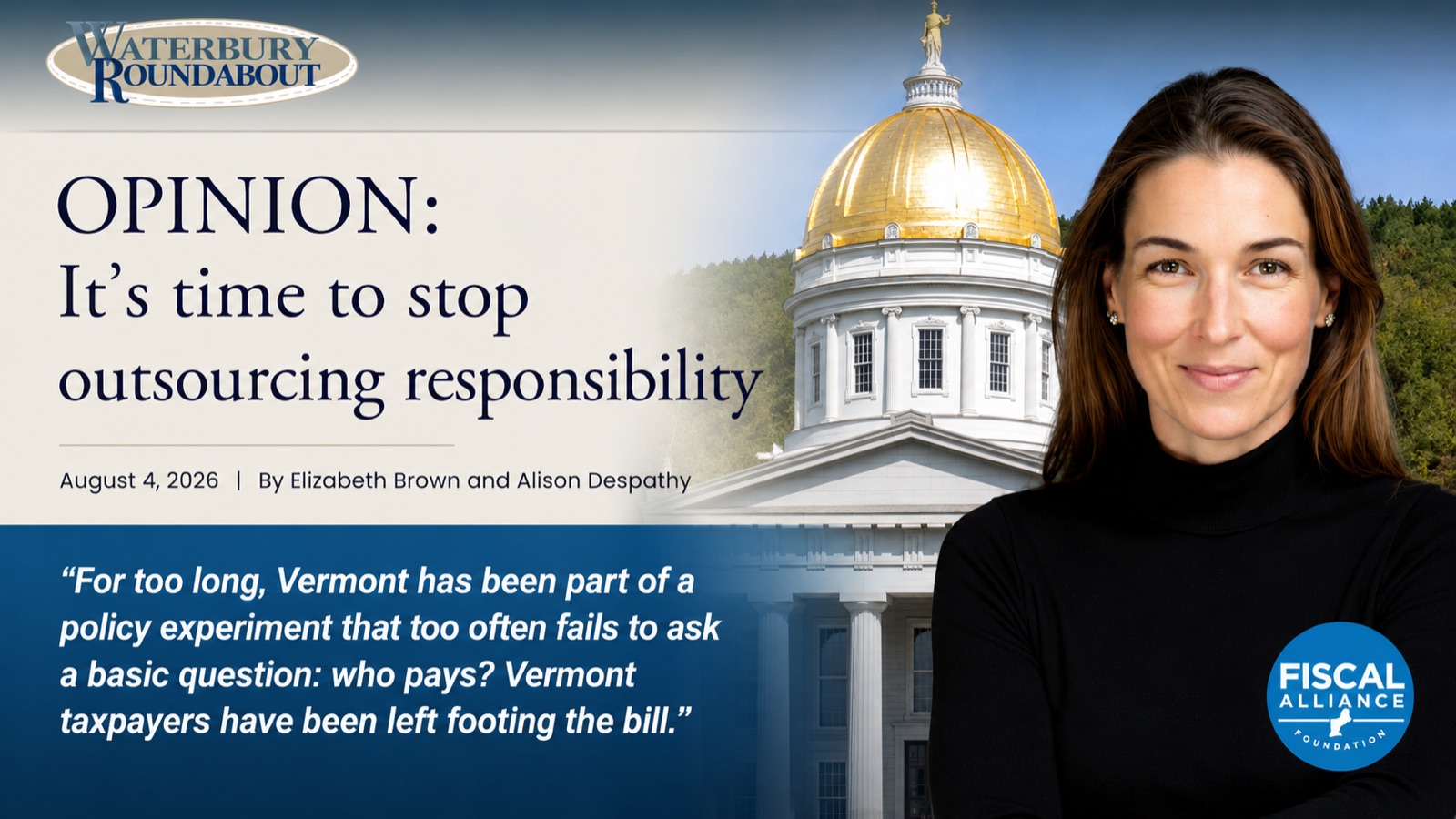
The Legislature writes broad statutes and hands the details to appointed boards and commissions — diffusing responsibility and accountability.
We keep an eye on the issues and the policies. You feel the gap between the story and the numbers, but it is hard to connect the dots. We break the issues down so you don't have to.
Read our analysis →Through statewide polling and in-depth analysis we go deeper into the policies that affect people every day. Special interests have their agenda. You are our agenda.
See the data →When rights are infringed upon and those legislating act outside the rules, we have the legal resources to challenge it — in comment letters, complaints, and the courts.
Review our filings →The Alliance stands at the center of it all. Each chapter brings boots on the ground, local knowledge, and state-specific research — while sharing one brand, one research infrastructure, and one non-partisan standard of evidence.
Visit the Vermont chapterOur founding chapter. Statewide polling, ballot-question litigation, and the research that built the Alliance — from Proposition 2½ to the energy cost analyses.
Launched in 2026 with decades of local knowledge on the ground. Bringing a fiscal accountability voice to a state where spending has grown 62% since 2019.

On August 3, talking about public policy in Massachusetts could become a legal guessing game for nonprofit organizations — because a state agency changed how it reads the law without telling anyone.
Moving collective-bargaining protections into the state Constitution could add an estimated $53–135 million in annual public-sector costs and $140–$352 in property taxes on a $400,000 home.
PLAs raise Massachusetts public construction costs — an average 16.2% cost premium, adding an estimated $3.695 billion across 166 MassDOT and MBTA projects.
An Enbridge-led expansion of the Algonquin pipeline could save Massachusetts ratepayers an estimated $230 million per winter — roughly $95 for a typical gas-heated household.
What Vermont voters are not being told about Proposal 3 — the November ballot measure that would constitutionalize compulsory unionism and foreclose Right to Work.
Short explainers, interviews, and the receipts — in the lawmakers' own words.
The companion to our Proposition 2½ and rent control studies, in five minutes.
Stay up to date with regular research and analysis from the Foundation — and tell us which states and issues you care about.
Sign up free →Every dollar funds research, polling, and legal work. Designate your gift to a specific chapter and it stays with that chapter's programs.
Give today →Gifts of appreciated securities and bequests carry tax advantages a cash gift does not. Our members and their generosity are never made public.
See the ways to give →We are built to be agile and responsive. We monitor constantly so you stay informed on the issues that matter to you.
Find us on social →