

Massachusetts Among the Highest in the Nation and in New England
The Fiscal Alliance Foundation today released a new study examining Massachusetts’s welfare programs, with a particular focus on rising fraud risks, weak oversight, and rapidly growing enrollment in key programs. The study, authored by the Foundation’s visiting policy analyst Hayden Dublois, is the organization’s first comprehensive analysis of welfare spending in Massachusetts and highlights significant concerns about growth, oversight, and long-term sustainability.
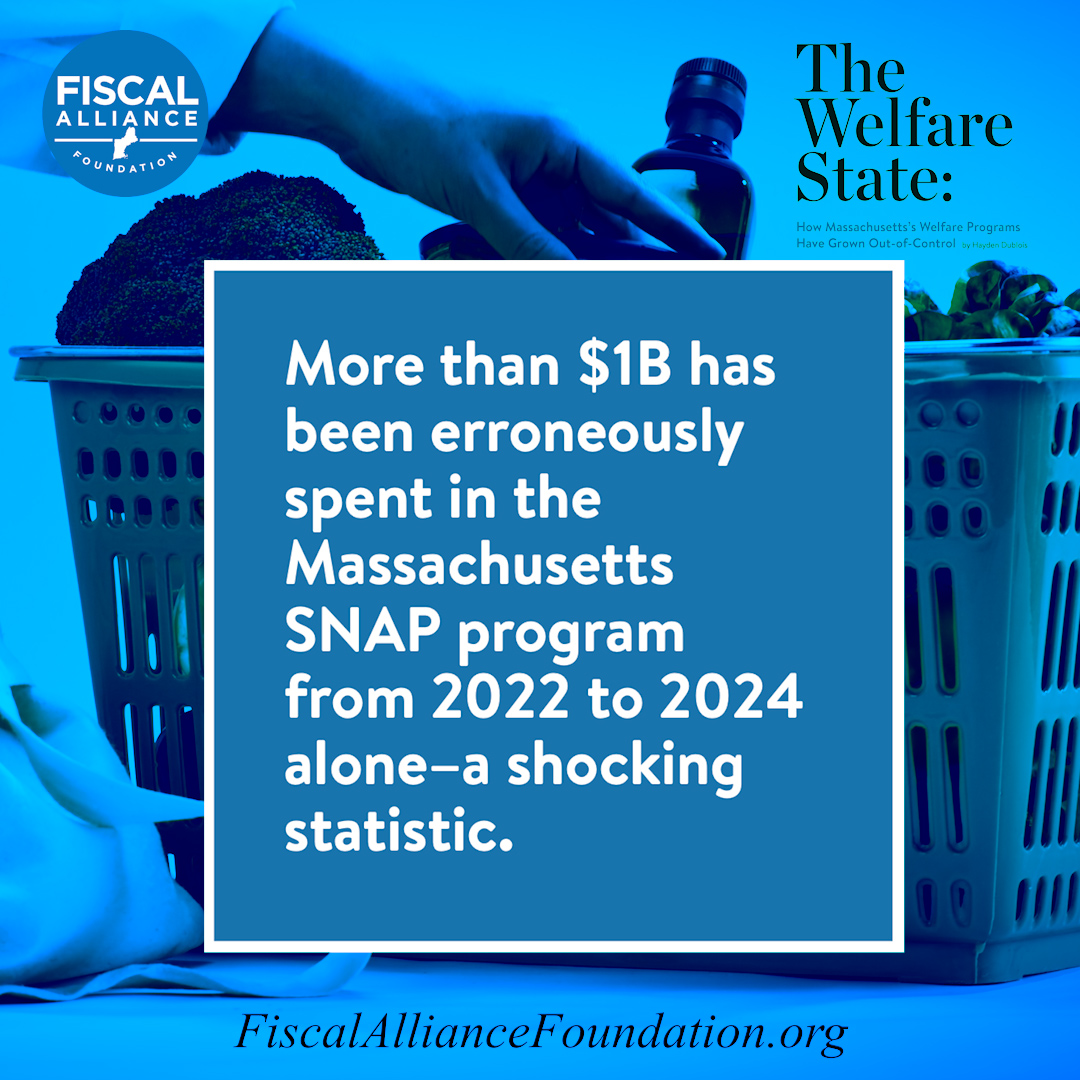
The study finds that SNAP enrollment in Massachusetts has increased by an astonishing 40 percent over the past decade, rising from just under 785,000 recipients in 2015 to more than 1.1 million in 2024. At the same time, more than $1 billion in benefits were issued improperly between 2022 and 2024 alone, a staggering level of waste that raises serious concerns about program integrity.
Click here to view the complete study.
Massachusetts now has a SNAP error rate of 14.1 percent, significantly higher than the national average of approximately 11 percent and every other New England state. The Commonwealth now ranks among the worst-performing states in the nation on payment accuracy, while neighboring New Hampshire ranks among the best.
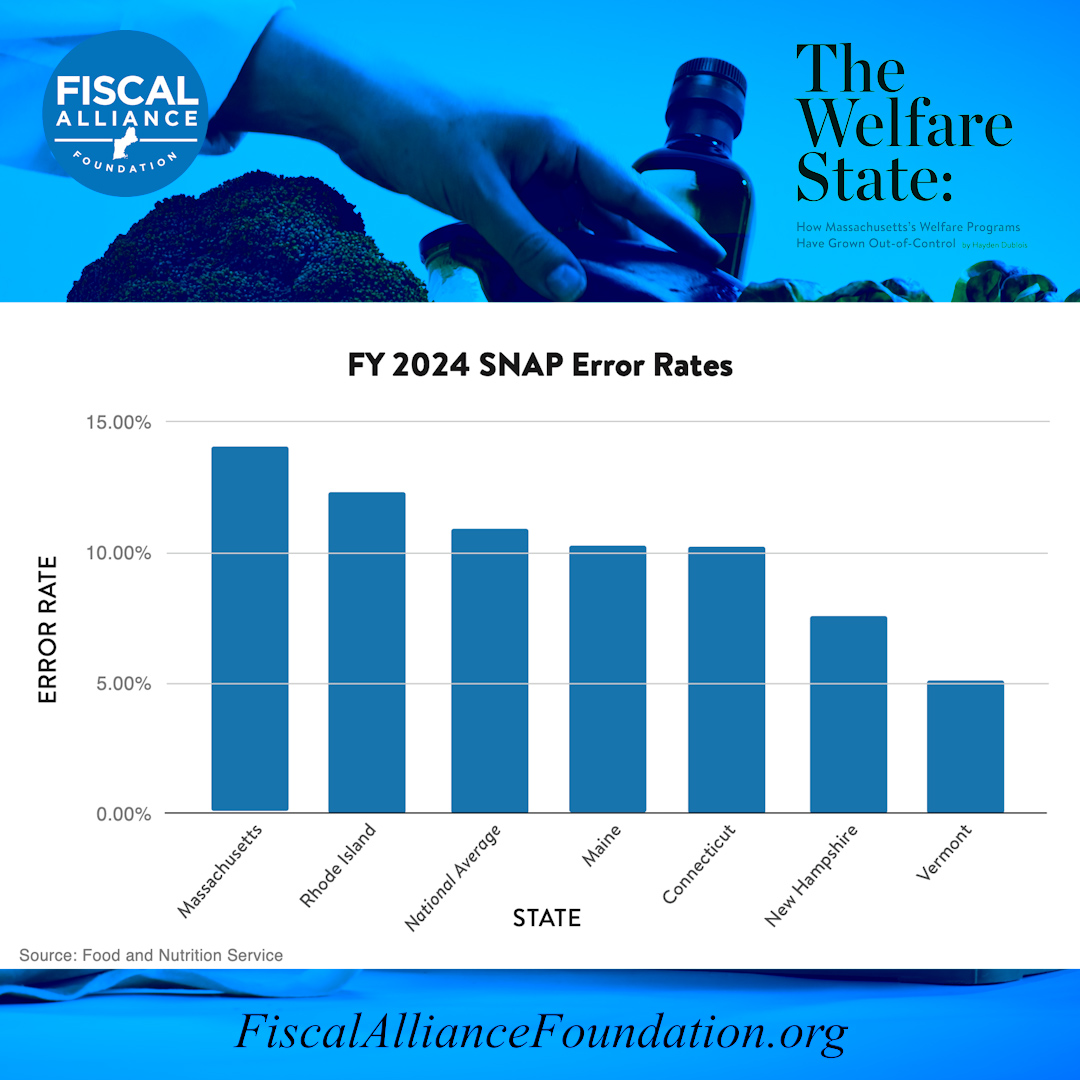
Beginning in FY2028, federal rules will require states with error rates above 6% to begin sharing the burden of costs, leaving taxpayers to pick up the tab. The study also finds that between 65 and 75 percent of able-bodied SNAP recipients are not working, while state policies continue to allow individuals to bypass federal asset limits and remain eligible for benefits regardless of accumulated wealth.
The report cites a whistleblower account describing “rampant” and “unabated” fraud within the system, along with a workplace culture that discourages basic verification of eligibility.
“More than a billion dollars in improper SNAP payments in just two years is not a rounding error, it is a complete failure of oversight. Taxpayers are being asked to fund a system where fraud is ignored, safeguards are weakened, and accountability is treated as optional. That is unacceptable,” said Paul Diego Craney, Executive Director of the Fiscal Alliance Foundation.
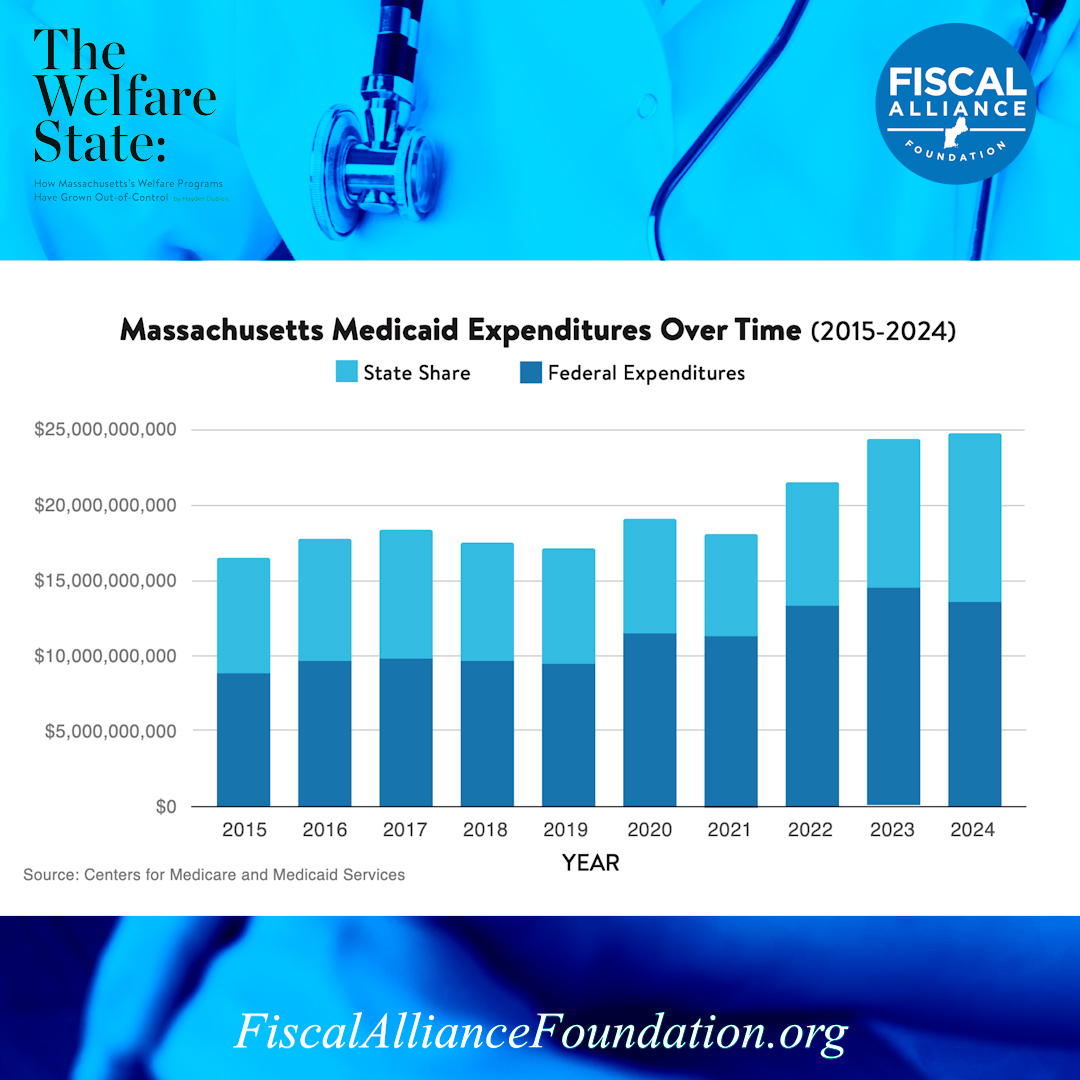
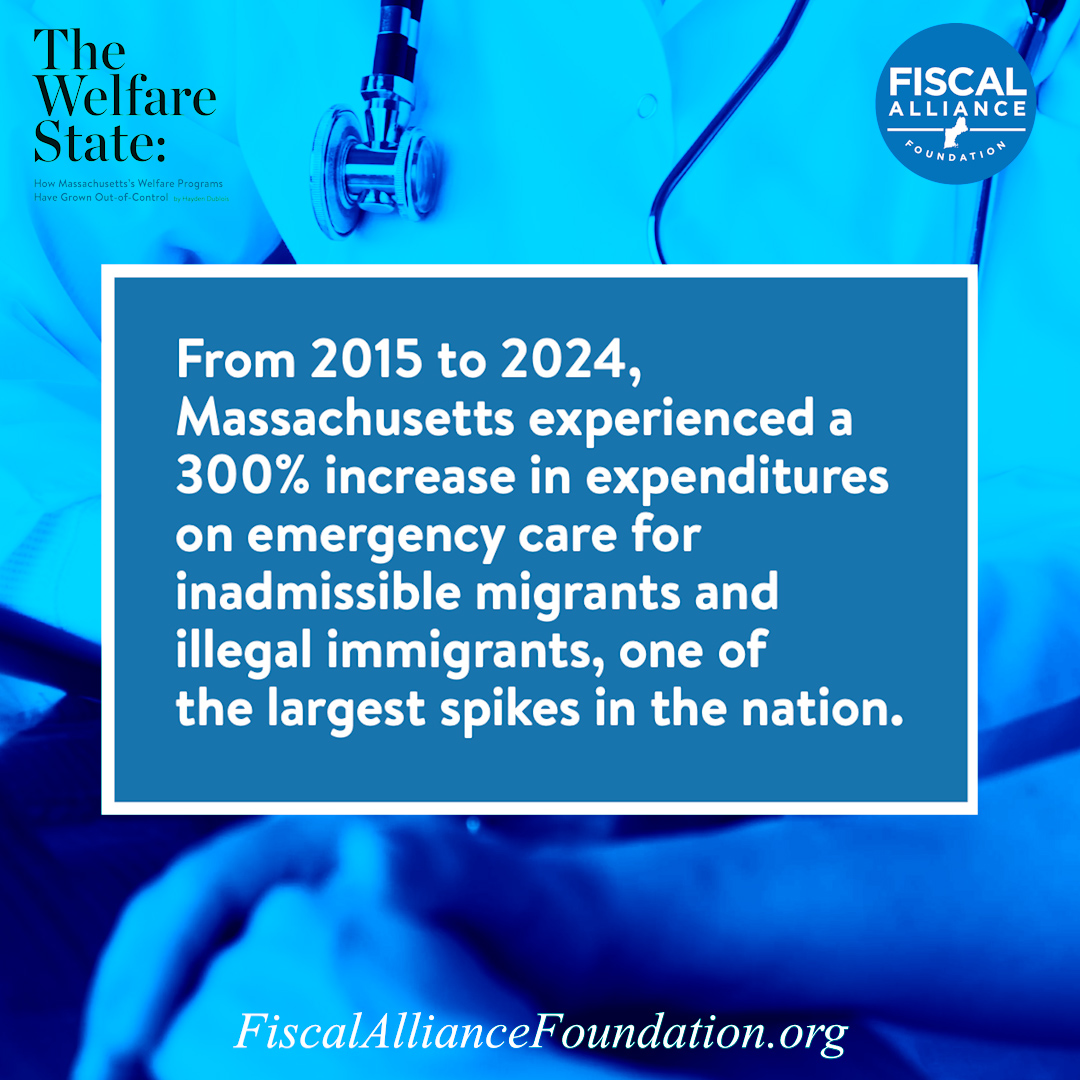
The study also finds that broader welfare spending continues to grow rapidly, with Medicaid now consuming nearly one out of every four state budget dollars and total costs rising sharply over the past decade. Medicaid spending has increased by nearly 50 percent since 2015, while state taxpayers have financed tens of billions in program costs. The report also highlights rising expenditures tied to non-citizen emergency care and expanded state-funded benefits.
In TANF, caseloads have grown significantly while spending on work-related activities has declined, with only about half of work-eligible recipients meeting minimum requirements. Housing and homelessness spending has also surged, more than doubling in recent years, with emergency shelter costs approaching $1 billion and programs like HomeBASE seeing dramatic increases, raising further concerns about oversight and long-term sustainability.
“Beacon Hill has prioritized expanding enrollment over protecting taxpayers and ensuring these programs are being used as intended. When you combine skyrocketing caseloads with weak verification and rising error rates, you create an environment where fraud can thrive. Reform is long overdue, and it starts with restoring basic accountability and putting safeguards back in place,” said Craney.
"Massachusetts's welfare programs are on a collision course with reality. Years of ignoring improper payments while promoting more program enrollment at all costs have now put the Commonwealth's taxpayers in a bind. Policymakers need to reverse course and adopt commonsense reforms to address out-of-control welfare spending,” closed Hayden Dublois visiting policy analyst at the Fiscal Alliance Foundation.
The Fiscal Alliance Foundation study concludes that without immediate reforms focused on fraud prevention, verification, and accountability, Massachusetts taxpayers will continue to face rising costs and growing risks within the state’s welfare system.
For a full copy of the study, please click here.